



By Simon Yammine
In Halifax this year, there’s something really nice happening. Our Lebanese Muslim community is starting Ramadan on Ash Wednesday, right as their Christian brethren are fasting for Lent, some since Ash Monday, and the rest joining in today.Different traditions, different prayers, different calendars, but honestly, the feeling is similar: a lighter stomach, a softer heart, and those daily little battles with patience, gratitude, and self-control. Far from Beirut, Tripoli, Saida, Tyre, and the villages that raised our families, fasting becomes more than a ritual. It becomes a bridge between us.
And when we talk about bridges between Lebanese people, we should not only talk about politics and old wounds. We should also talk about the quiet heroes, the everyday people who never made headlines, but left goodness that still serves people. One of those names is Aisha Bakkar, a woman whose story didn’t just stay a story, it literally became a neighborhood in Beirut.
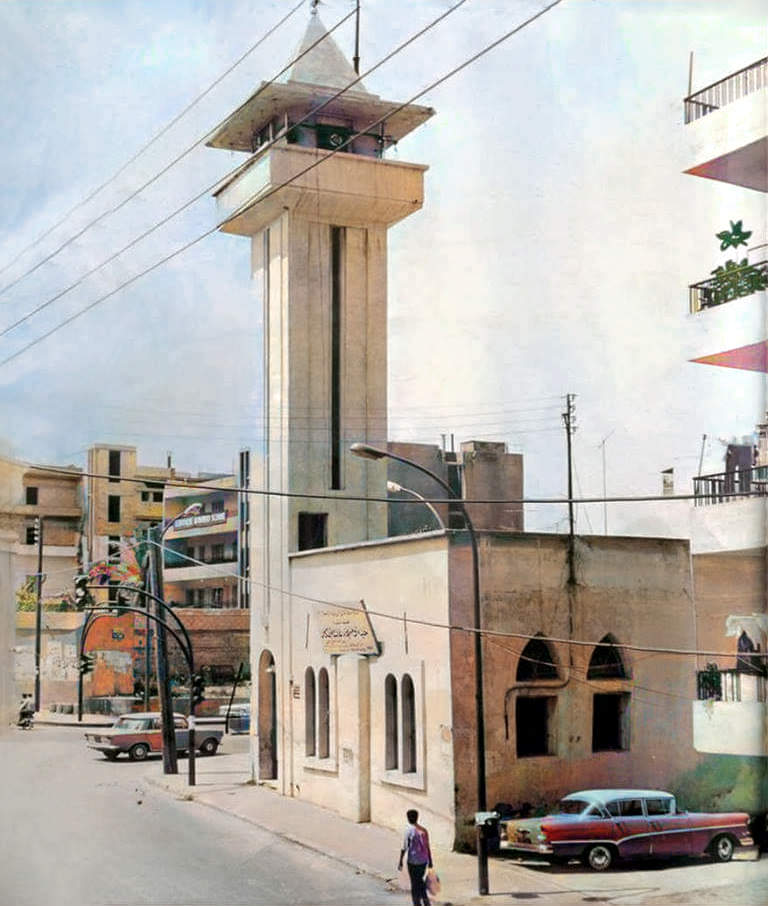
Aisha Al-Sayyadani Bakkar lived in an older Beirut, before the city became all concrete and noise. Back then, Beirut was simpler, with small houses and orchards, and a different pace of life. She wasn’t the wife of a politician, and she didn’t come from a powerful family. She lived a modest life with her husband, Mohammad Bakkar, who worked at the Port of Beirut, like so many Lebanese men whose hands carried the country, even if their names weren’t famous.
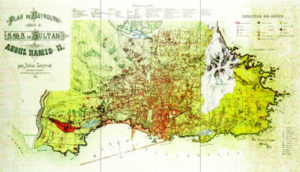
Aisha had a small shop in the area between Ramlet al-Bayda, Al-Malla, and Zaydaniyeh. Nothing fancy, but the kind of shop that gives a neighborhood its warmth. She sold things that made kids happy and made life a bit sweeter: paper kites, roasted chickpeas, sunflower and pumpkin seeds, cotton candy, sugar-coated almonds, and biscuits. Simple stuff, but in those details you can feel the Beirut of that time, where joy didn’t need much.
One of the elders who knew her later described her as a “noble lady.” Not noble because she was rich, but noble because of her character. In our culture, that kind of respect is earned. It means she was honest, dignified, generous without showing off, and strong in a quiet way.
That elder remembered her in real Beiruti dialect, like you can picture the scene. He talked about her sitting in her shop, wearing simple clothes, always present, always steady. He talked about walking from Zaaroub Al-Aliyyeh to buy sweets from her. Then he dropped the line that makes you stop and think: she and her husband saved penny upon penny, bought stones, and built with their own hands until the mosque stood.
And that’s why her story hits us today, especially here in Halifax. Because the point isn’t only “a mosque was built.” The point is who built it, and how. We’re used to hearing about big donors, big speeches, big ceremonies. But Aisha didn’t have a lot of money. She had big faith. She took small daily earnings and turned them into stones, not as a metaphor, actual stones. Little by little, she helped create a sacred space for an entire neighborhood.
Even the minaret was described as simple but impressive. Not because it was huge, but because it felt miraculous to see something beautiful rise from such humble beginnings. She physically helped build it, she endowed the land and insisted it be built as a waqf or Islamic endowment during the time of Mufti Sheikh Mohammad Tawfiq Khaled.
The mosque was small, fitting no more than forty men. But it mattered because at that time the area didn’t have many mosques. The closest one was Al-Raml Mosque, known today as Al-Farouq Mosque. So this little mosque made worship closer, community closer, and people’s daily lives easier.
Then something beautiful happened: the mosque became a meeting point for everyone. People started saying, “Let’s meet at Aisha Bakkar Mosque.” And when a name becomes part of everyday speech, it becomes part of the city’s identity. Over time, the name spread beyond the mosque, and the whole district officially became known as Aisha Bakkar.
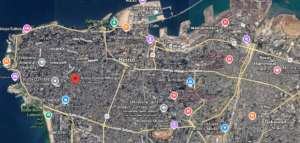
Just imagine that. A woman didn’t only build a mosque. She built a landmark. She turned personal sacrifice into public memory.
And maybe the most touching detail is that Hajjeh Aisha had no children. In our culture, people often think legacy only means family and descendants. But Aisha left a different kind of legacy: a waqf, a mosque, and a name still alive today.
Her story is also exceptional in Lebanon. It’s often said it’s the only mosque in the country that carries a woman’s name. Not to argue or complain, but just to appreciate how one person’s sincerity can break patterns and stay engraved in a city’s memory.
And that brings us back to Halifax, and to this year where we’re fasting together. Aisha Bakkar’s story reminds us that faith isn’t only words, it’s action. It’s building goodness in real life. It’s serving people without waiting for perfect conditions. Like the Qur’an says: “Wa quli’-malu fasayara-llahu ‘amalakum warasulu-hu wal mu’minun”
So if Aisha Bakkar could save penny upon penny and turn it into a mosque that became a whole neighborhood’s name, then surely we in Halifax can do our part too. Not with grand speeches, but with small consistent acts: checking in on each other, showing respect, keeping our community united, and making sure nobody feels alone.
Because in the end, that’s what fasting is supposed to teach us: less ego, more mercy, and more love for the people around us.