

Holy Thursday is one of the most important days in the Christian year. It commemorates a decisive moment in the life of Jesus Christ on the evening before His crucifixion. It is not simply a remembrance. It is the foundation upon which Christian life, worship, and community are built.
On this night, Christ gathered with His disciples for the Last Supper and transformed a simple meal into something eternal. Bread and wine became His body and blood, not as symbols alone, but as a real and enduring presence entrusted to His Church. From that moment, the Eucharist became more than ritual. It became participation in Christ Himself, renewed across time and place.
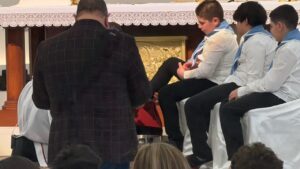
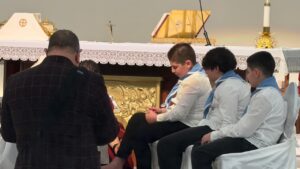
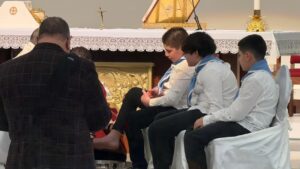
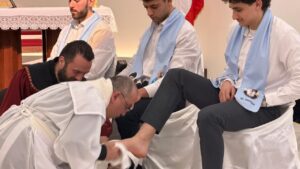
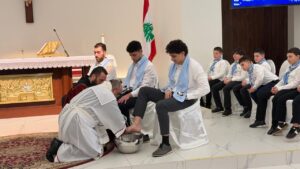
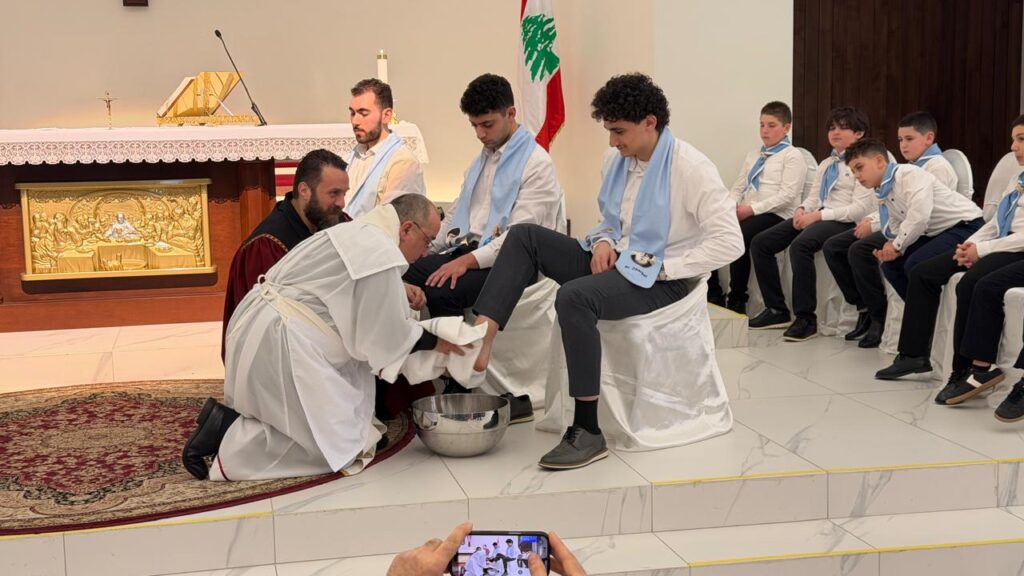
At the same table, Christ revealed the structure of the community He was leaving behind. He had already chosen twelve disciples, forming a new people that would carry His mission forward. But on this night, He showed them how that mission must be lived. He knelt and washed their feet, taking the place of a servant, overturning every expectation of authority. In doing so, He established a principle that remains central to Christian theology: leadership is measured not by power, but by service.
He then gave them a commandment that would define everything that followed:
“Love one another as I have loved you.”
This was not an abstract ideal. It was a standard, one that would be fulfilled through sacrifice, forgiveness, and total self-giving.
Holy Thursday also marks the beginning of the Passion. From the intimacy of the table, Christ moves toward suffering, betrayal, and ultimately the cross. The same night that reveals love also reveals its cost.
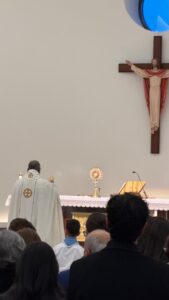
Across Christian traditions, this night is preserved with remarkable consistency, though each Church expresses it through its own liturgical language and spiritual tone. In the Maronite Church, fully in communion with Rome yet rooted in the Syriac tradition, Holy Thursday carries a deeply symbolic and emotional character. The Eucharist is approached as a living presence, the washing of the feet highlights Christ’s humility, and the stripping of the altar introduces a quiet sense of abandonment as the Passion begins. In Roman Catholic practice, the same theological foundations are expressed in a more structured and universal form through the Mass of the Lord’s Supper, the Mandatum, and the transfer of the Blessed Sacrament for adoration. In Orthodox traditions, the liturgy unfolds with greater length and intensity, with rich hymnography and Gospel readings that emphasize the unfolding drama of the Passion. Different expressions, but one shared truth: this night stands at the threshold of the Passion and the beginning of everything that follows.
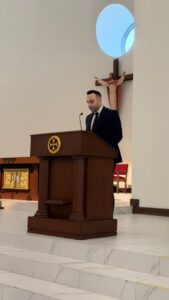
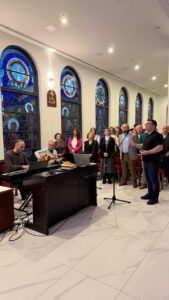
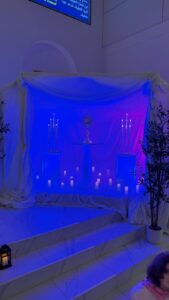
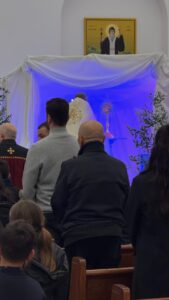
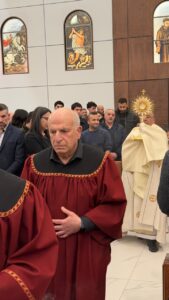
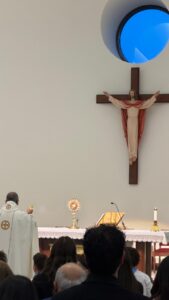
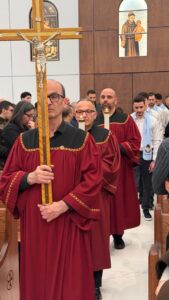
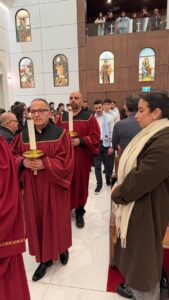
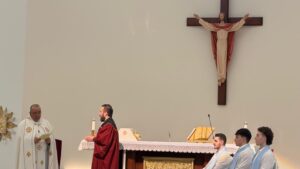
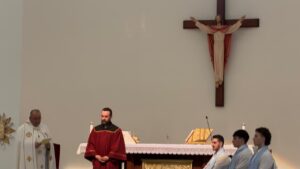
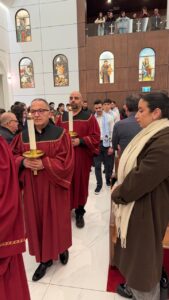
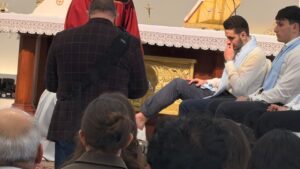
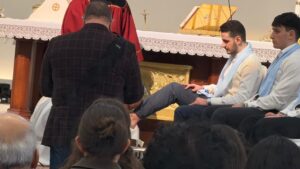
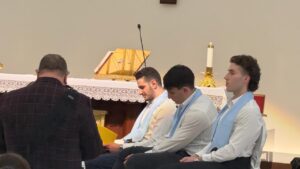
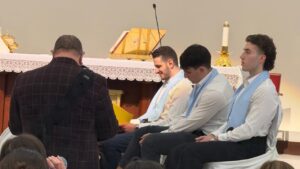
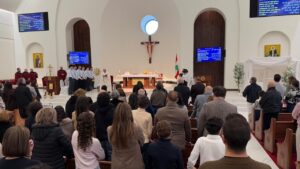
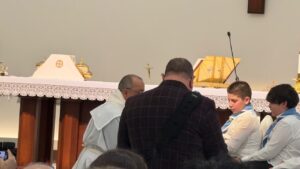
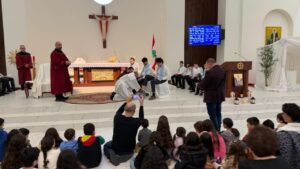
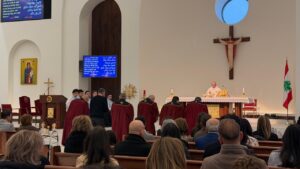
Tonight, in Our Lady of Lebanon in Halifax, that meaning took a visible and local form.
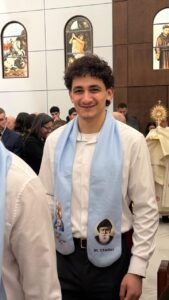
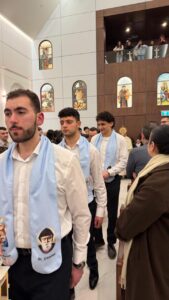
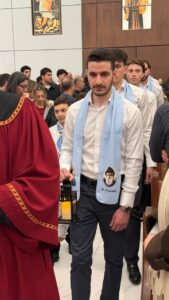
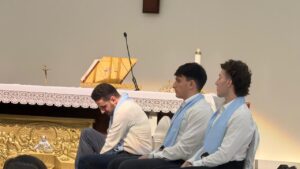
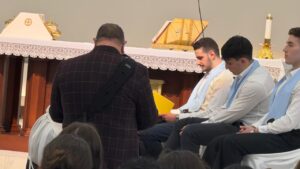
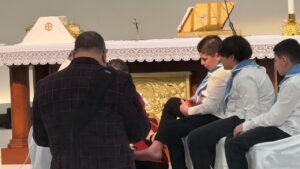
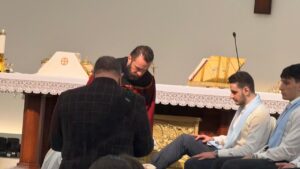
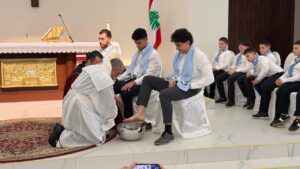
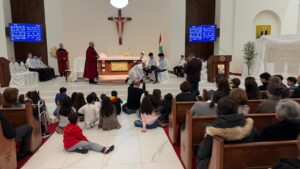
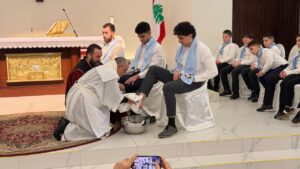
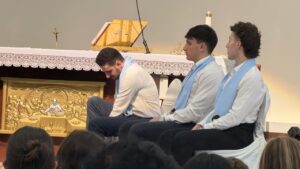
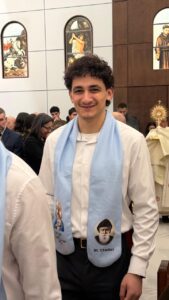
At 6:30 pm, the church was full, not just in numbers, but in attention. Under the prayers of Fr. Eid, the ceremony moved beyond routine and became a moment of clarity. Twelve young parishioners were chosen to represent the apostles. Some of them are newcomers, still establishing their lives in this city, yet already forming part of its future. It was not symbolic alone. It was a reflection of continuity.
Among them was Simon, an international university student, who stood in the role of Peter. He perfectly materialised the hesitation echoed in the Gospel when Peter resisted Christ washing his feet. It remains one of the most revealing reactions in Scripture. Not because it shows weakness, but because it shows truth. To accept humility, to allow oneself to be served, is often more difficult than serving others.
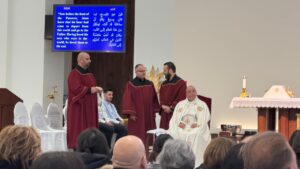
In his sermon, Fr. Eid brought the meaning of the night into direct focus. This is not a night about washing feet. It is a night about cleansing hearts.
He recalled a tradition from Lebanese villages where priests washed the feet of the entire community, but only under one condition: that every person had first forgiven the other. Without reconciliation, the act was considered empty. Clean feet could not conceal divided hearts. The ritual had value only if something real had taken place beforehand.
This is where theology meets reality. The gesture is visible. The transformation is not. But it is the only part that matters.
Far from Nova Scotia, the city of Zahle in Lebanon carries a parallel story. For nearly two centuries, it has marked “Khamiss al Jassad al Ilahy”, the Holy Body, as a public expression of faith centered on the Eucharist. What began as a response to a crisis became a lasting identity. Faith, in Zahle and Lebanon, is not confined to the church. It moves into the streets, binding a community together through shared belief and memory.
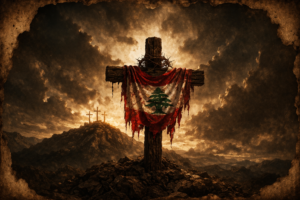
That story is not confined to the past. Lebanon today continues to face serious challenges. In the south, Christian villages such as Rmeich, Ain Ebel, and Debel live under constant pressure and uncertainty. They remain in places where they had no say in the conflicts surrounding them. And yet, they stay. They maintain their presence, their churches, and their traditions, not out of convenience, but out of conviction.
This is where Holy Thursday becomes immediate. Because what we reflect on in peace, others are living under strain. What we remember as tradition, others hold onto as survival. And the distance between the two is not as great as we think.
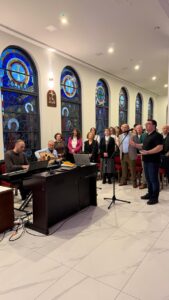
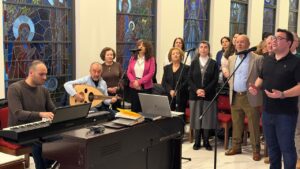
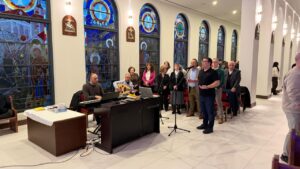
It is also important to recognize those who made this evening possible. Our Lady of Lebanon parish continues to grow with intention, particularly through the active involvement of youth, especially as Halifax prepares to host the Maronite Youth Convention. The choir, and Mounir Daaboul, sustained the solemnity and rhythm of the liturgy with consistency. The altar servers carried out their roles with discipline, precision, and quiet responsibility, especially significant during the demands of Holy Week. The Holy Family sisters, the Confraternity of Our Lady and the parish council worked hard to provide for a meaningful celebration. Special recognition is also due to Zeina Chedrawi for her meticulous coordination of the younger members of the parish, ensuring order, discipline, and continuity throughout the celebration.
 Holy Thursday is not only a night to remember. It is a night to act. To stand by our country in its ordeal. To remain conscious of our brethren, especially those besieged in the south in a position echoing Jesus’s in the Garden of Gethsemani, waiting for his next ordeal.
To understand that their reality today could become ours tomorrow.
Faith, if it is real, cannot remain passive.
It must respond.